Workers' Compensation Cases

A blue sign that says workers compensation insurance on it

A workers’ compensation investigator may help companies determine when an employee is committing workers’ compensation fraud by conducting surveillance on the employee in question. Private investigators are often hired in this capacity to protect the business’ interests.


Purpose of Conducting Surveillance

Employers and insurance companies often rely on private investigators to conduct surveillance of employees who have filed workers’ compensation claims. These investigations may be implemented to determine if an employee’s activities outside of work correspond to him or her having been injured at work. Employers and insurance companies may state that they use surveillance mechanisms and other tools to help pinpoint instances of fraud. However, employees may see this activity as an attempt to deny a valid claim under false pretenses. Employers may conduct surveillance to try to get the injured employee in a photograph or video that shows him or her working for another company while receiving workers’ compensation benefits or participating in an activity that does not correspond to his or her reported injuries.


Private Investigator Activities

A private investigator may use a variety of tools to help monitor allegedly injured employees. They may follow a target during his or her time off and when he or she is supposed to be receiving medical treatment. He or she may take photographs or video of these activities, especially when the activities do not correspond with the reported injuries. Surveillance may be used even if the benefits have been paid or when the benefits have been denied in an attempt to help the employer’s case.


Surveillance is one of the most common methods that private investigators use to record incriminating evidence against the employee.


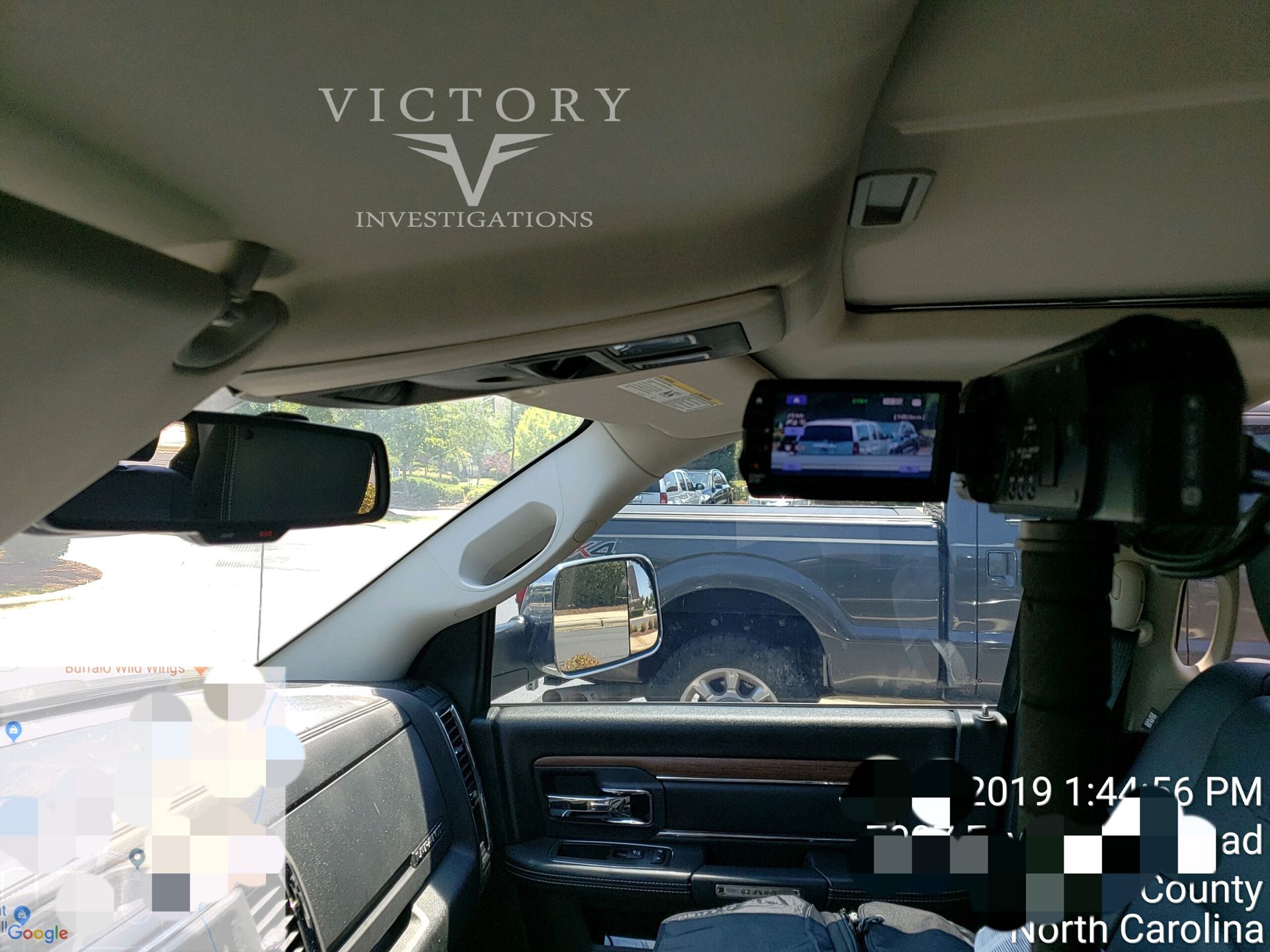
Surveillance may be conducted by one or more private investigators using sophisticated cameras and video equipment while tracking the movements of the target.


Other ways that private investigators track the employee’s movements and monitor the employee include calling the employee at his or her residence under false pretenses or by talking to an employee’s neighbors about other jobs or activities. Another way that private investigators may monitor employees who have filed workers’ compensation claims is by tracking their internet activity. Social media websites may show supposedly injured employees who are skiing, white water rafting and participating in other high-energy activities after asking for thousands of dollars in benefits for a work-related injury. Individuals who are concerned that a private investigator may be following them for this reason are often advised by legal counsel and their own private investigator not to post any type of picture or comment that may be misinterpreted.


In some instances, employers may provide employees with cell phones. If this is the case, the employer may have stated that employee cell phones may be monitored. Private investigators may have spyware installed on these phones in order to monitor an employee’s movements and activities.


Discrete Actions

Private investigators are trained at avoiding being detected. They may use a number of measures to avoid detection, including wearing glasses and then switching them out with sunglasses, wearing different baseball hats, wearing different costumes, driving a vehicle with tinted windows, using multiple investigators to follow a subject or using certain ruses to be given permission to enter onto certain property.


Counter Measures

Injured employees may take their own measures to counter the activities of their employers. They may be on the lookout for people who may be conducting surveillance of them. They may be sure to follow the orders of their doctor closely and to avoid making comments or posts about their injuries, their workplace or their activities. Injured employees may even hire their own private investigator to determine if they are being followed.


Often, private investigators can conduct their own surveillance to determine if their client is actually being followed. A private investigator may inspect a business cell phone or laptop for spyware. Some indications that these special apps or software programs may be being used include the device having a shortened battery life, random noises emitting from the device, a difference in call quality, increased data usage or receiving strange texts or messages from others.



By Jeff Spar December 28, 2025
Lessons You Only Learn by Doing the Job If Part 1 was about learning the trade the hard way, this part is about paying for those lessons. No one starts out perfect in process serving or private investigations. Anyone who tells you otherwise is lying or hasn’t been doing this very long. Early on, I made mistakes—some small, some costly—but every one of them shaped how I work today. Mistake #1: Knocking Too Soon Early in my career, I thought effort meant action—drive up, knock, get it done. What I learned quickly is that patience beats urgency. Knocking on the door too soon tips your hand. Once a subject knows you’re there, the game changes. Observation should come first. Always. Mistake #2: Talking Too Much I learned the hard way that silence is a tool. In the beginning, I explained too much—who I was, why I was there, what the papers were about. That only created resistance. You don’t need to overshare. Be professional, be calm, and say only what’s necessary. Mistake #3: Trusting “Good Information” Without Verification Addresses were wrong. Work schedules were outdated. “He’s always home at night” turned out to be false. Early on, I trusted information because it sounded confident. Experience taught me to verify everything. Assumptions cost time, money, and credibility. Mistake #4: Underestimating Documentation I used to think I’d remember details later. You won’t. Dates blur. Times get fuzzy. Early mistakes in documentation taught me that your notes protect you. Courts don’t care what you meant to write—only what you actually did write. Mistake #5: Not Trusting My Instincts Soon Enough There were moments early on when something felt off and I ignored it—only to realize later my instincts were right. Experience sharpens intuition, but you still have to listen to it. If a situation feels wrong, it usually is. Mistake #6: Taking Things Personally This job puts you in the crosshairs of anger, fear, and blame. Early on, I took reactions personally. That’s a mistake. This work isn’t about you. Once I separated emotion from execution, everything improved—my safety, my accuracy, and my professionalism. The Biggest Lesson of All Every mistake reinforced one truth: this is a profession, not a side hustle. Process serving and investigations demand discipline, ethics, and accountability. Shortcuts don’t last. Reputations do. Those early mistakes made me better. They’re the reason I approach every case today with preparation, restraint, and respect for the process. Thirty-one years later, the fundamentals still matter—and they always will.he body content of your post goes here. To edit this text, click on it and delete this default text and start typing your own or paste your own from a different source.
By Jeff Spar December 28, 2025
What 31+ Years in Process Serving and Investigations Really Teaches You Learning the Trade the Hard Way When I first stepped into the world of process serving and private investigations more than 31 years ago, there was no YouTube, no Facebook groups, no online directories, and no step-by-step guides. You learned by doing—or you didn’t last. I didn’t start out knowing everything. Nobody does. What I had was determination, curiosity, and a willingness to learn the trade the right way—by getting out there, making mistakes, paying attention, and adapting. Back then, process serving wasn’t about apps, GPS tracking, or instant skip traces. It was about observation, timing, patience, and knowing people. You learned quickly that knocking on a door was often the last step, not the first. You learned how neighborhoods worked, how people moved, when lights came on, when cars left, and when someone was likely trying not to be found. I learned early that this job isn’t just about handing someone papers. It’s about professionalism under pressure. You’re walking into tense situations. Emotions are high. People are scared, angry, embarrassed, or outright hostile. How you carry yourself matters. Your tone matters. Your judgment matters. There were no shortcuts. If you messed up, the court didn’t care why—you owned it. That responsibility shaped how I approached every serve and every investigation. Accuracy wasn’t optional. Documentation wasn’t optional. Integrity wasn’t optional. As I expanded into private investigation work, the lessons only deepened. Surveillance taught patience. Interviews taught listening more than talking. Skip tracing taught persistence. Every assignment reinforced the same truth: this field rewards those who take it seriously and exposes those who don’t. Over the decades, technology has changed, laws have evolved, and expectations have grown—but the fundamentals haven’t. You still need to know how to read situations. You still need to stay calm. You still need to be ethical. And you still need to remember that every case represents real people and real consequences. Looking back, I’m grateful I started when I did. Learning the trade the hard way forced me to develop instincts you can’t download and skills you can’t fake. It’s why I’ve lasted over three decades in an industry that chews people up quickly. Today, when I work cases or support newer servers and investigators, I bring every one of those early lessons with me. This isn’t just a job—it’s a profession. And if you treat it that way, it will carry you a long time. Thirty-one years later, I’m still learning. But I’ll never forget how it started—one door, one decision, and one lesson at a time.
Explore what it's like to be a process server in Roanoke, VA with Virginia Court Services
By info January 9, 2025
What would it be like to ride along with a process server in Roanoke? Let's get the day going and find out with Virginia Court Services, an established and vetted local process serving company in Roanoke.
Resident gets improperly served by process server in Roanoke
By info January 3, 2025
If you believe that you have been improperly served by a process server in Virginia, it’s crucial to know how to contest or quash the service. Hiring professional process servers at Virginia Court Services will help you avoid having your case thrown out.
Private Investigator in Roanoke, VA performs surveillance
By info November 1, 2024
THE TESTIMONY OF PRIVATE INVESTIGATORS
A person is handing a key to another person.
By Jeff Spar October 14, 2024
Landlord Tenant Rights in Virginia
A security guard is wearing a black jacket with the word security on the back
By info February 7, 2024
When it comes to Security Patrol, House Watch service is our most popular. However, we offer a variety of unique Residential and Commercial Security Patrol Packages that are designed to meet your specific needs and concerns.
A request for a drug test is on a piece of paper
By info February 7, 2024
SCSI is a TPA (Third Party Administrator) for DOT random and computer-generated consortium programs. SCSI conducts (on-site or in-office) DOT and Non-DOT drug and alcohol testing for pre-employment, random, return to duty, and more.
A woman is sitting at a table with her head in her hands.
By info February 7, 2024
If you have a “gut feeling” that your spouse or lover may be engaging in unfaithful activities, you deserve to know the truth.
A magnifying glass is sitting on top of a clipboard.
By info January 26, 2024
We provide investigative and litigation support services to businesses, in-house counsel and law firms by performing comprehensive non-employment background investigations and research of individuals, assets, locations, utilities and more.